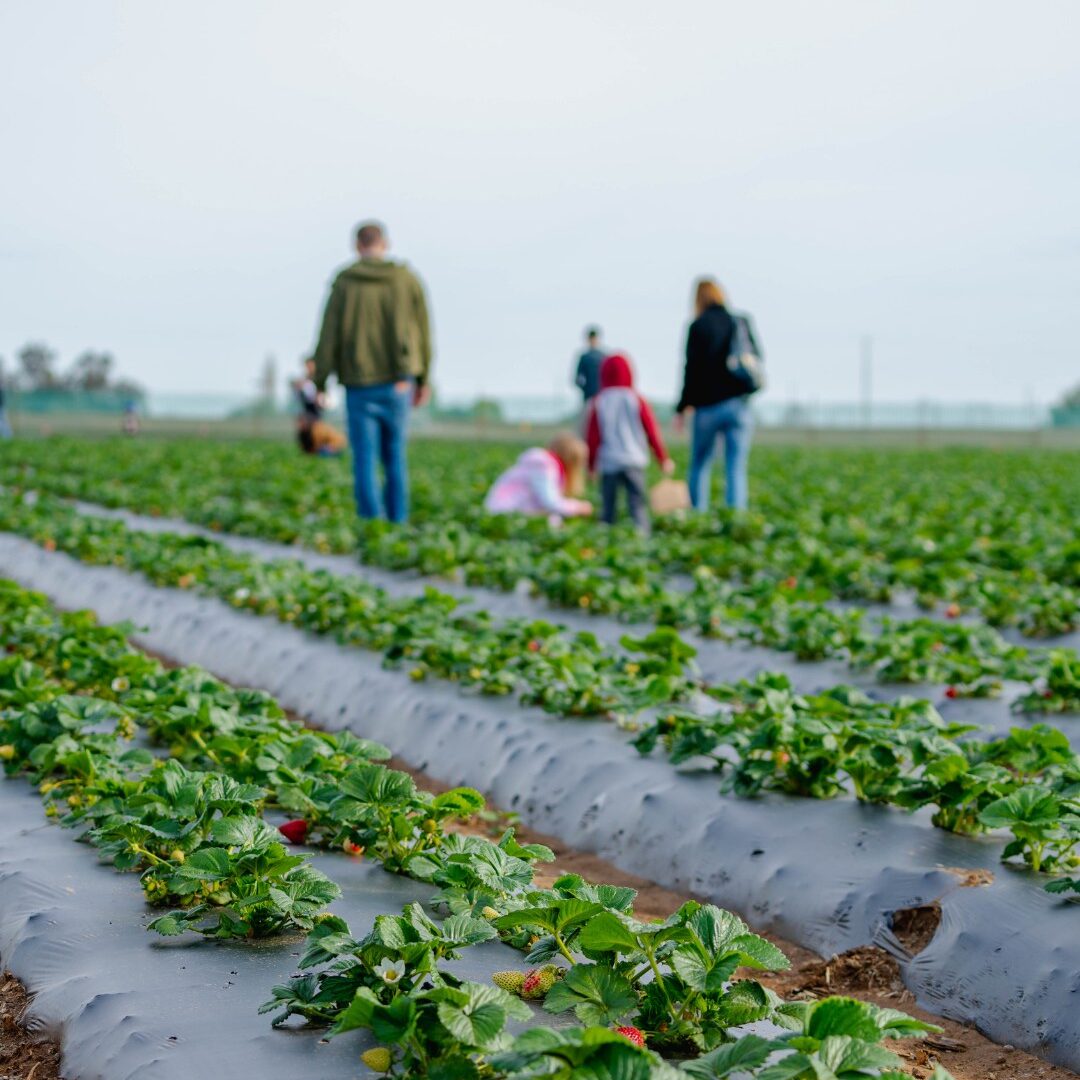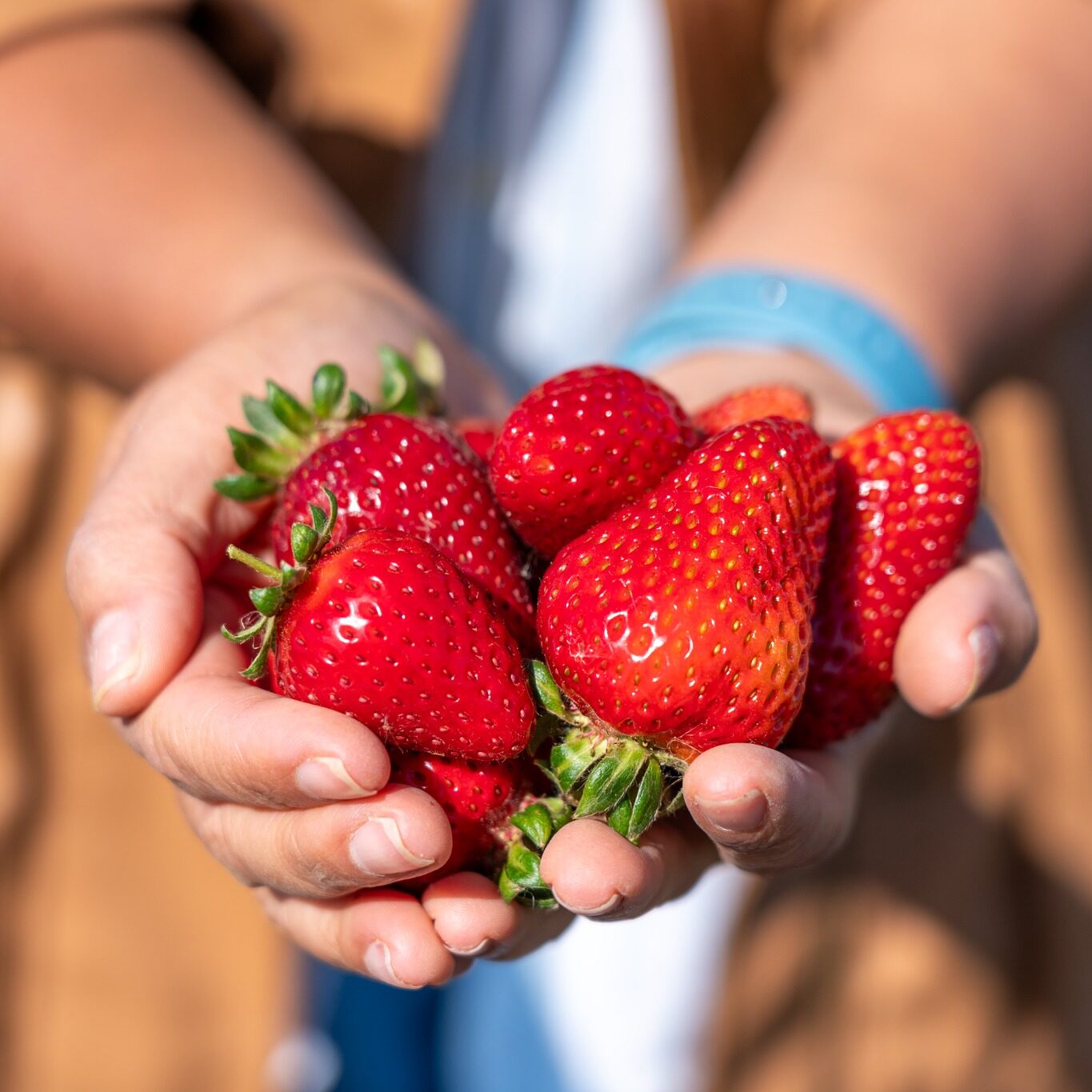
As we start our grand tour of the Brentwood area, there is no better place to start than with the nonprofit organization that is striving to connect them all. In the sun-drenched heart of Contra Costa County, Brentwood blossoms each summer into a hub of harvest, hospitality, and hands-on agriculture. But this thriving U-pick destination didn’t happen overnight. It started, quite literally, with a bag of sugar.
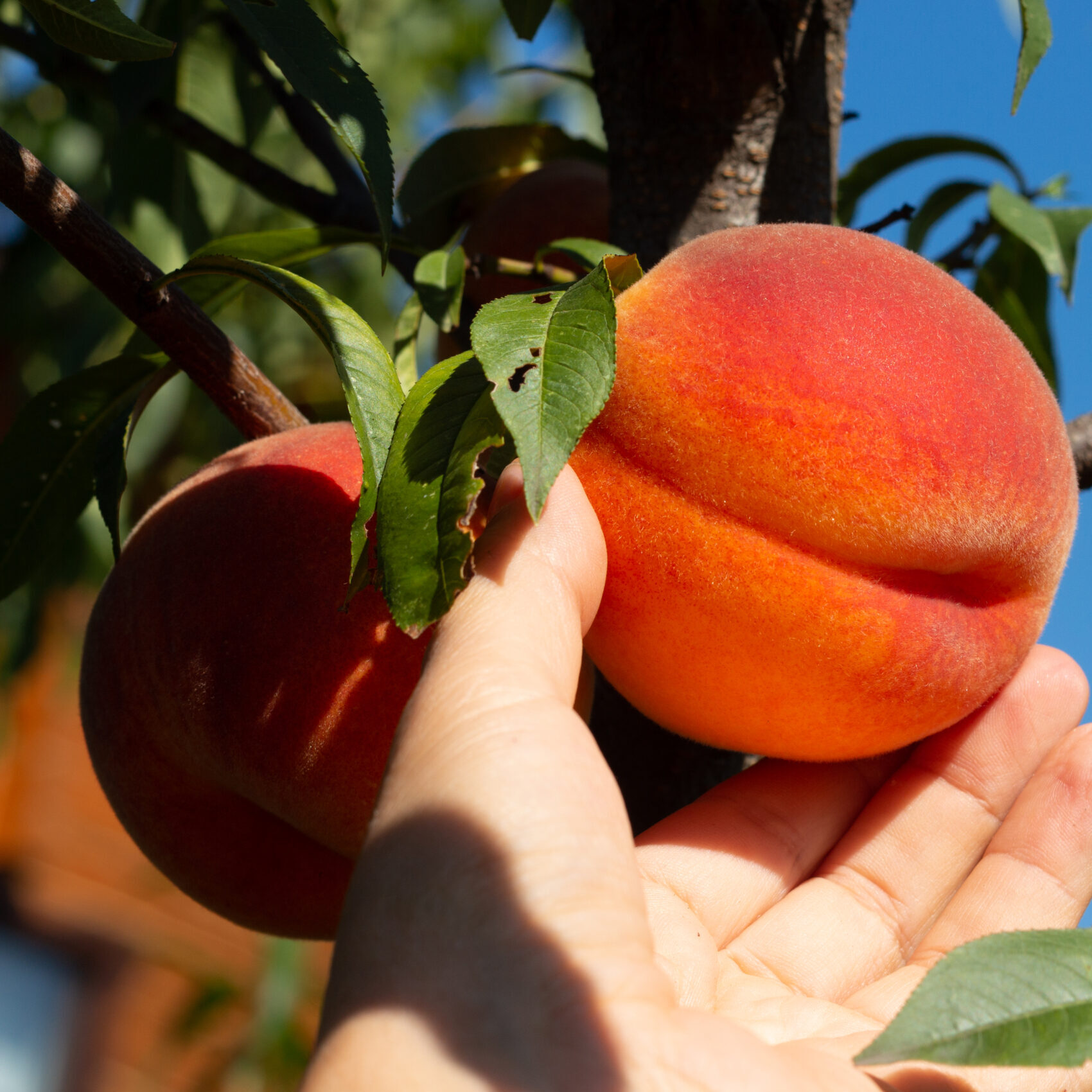
During the 1940s, women from Richmond would drive out to Brentwood, ration coupons in hand, looking to preserve fresh fruit by canning. Their discovery? The region’s peaches were unmatched. Soon, farmers were inviting the public to pick their fruit, bypassing wholesale markets and inviting a personal connection to the land. From these humble roots, Brentwood’s U-pick movement was born.
By the late 1970s, ten local farmers united with a shared vision: to put Brentwood on the map, literally. They pooled their money to create a printed farm trail guide, forming what is now known as Harvest Time in Brentwood. Today, this nonprofit organization includes around 60 farms and continues to connect the public to Brentwood’s rich agricultural landscape through both physical and digital maps, marketing, and education.
“Our mission is simple,” explains Jessica Enos, a Harvest Time representative. “We help people find local farms, learn about where their food comes from, and experience the joy of picking it themselves.”
And Brentwood delivers. With the most U-pick farms west of the Appalachian Mountains, and some of the oldest, Brentwood has earned its title as the U-Pick Capital of Northern California.
“Our farming culture here is incredibly community-oriented, if my farm is closed, I’ll send visitors to the one down the street. We all want each other to succeed, because preserving this way of life means working together.”
Within just a few miles, visitors can pick cherries, mulberries, blueberries, flowers, and more, making it a one-of-a-kind destination for families and food lovers alike.
The economic and cultural impact of this seasonal surge is profound. For many farms, U-pick is the heart of their business model. For others, it’s a cherished extension. But one thing is clear: the thousands of visitors who come each year make it possible for these farms, and the town’s agricultural identity, to thrive.
“If we didn’t have as many people coming out,” Jessica shares, “we wouldn’t have as many farms. And if we didn’t have the farms, people wouldn’t come. It’s all connected.”
But Harvest Time is about more than marketing. It’s about preserving the legacy of Brentwood’s farming families, many of whom have been working the same land for generations. It’s about creating space for kids to learn where their food comes from, for urban dwellers to reconnect with the seasons, and for neighbors to become extended family.
Despite Brentwood’s growing population and development pressures, the farms endure, thanks in no small part to Harvest Time’s commitment to community and collaboration.
“Our farming culture here is incredibly community-oriented,” she adds. “If my farm is closed, I’ll send visitors to the one down the street. We all want each other to succeed, because preserving this way of life means working together.”
In Brentwood, harvest isn’t just a season; it’s a celebration. And thanks to Harvest Time, it welcomes everyone.