We use cookies to optimize your experience, analyze traffic, and personalize ads. Please choose whether you accept our use of non-essential cookies. Read More
The conservation of Three Bars Ranch protects nearly 600 acres of farmland and a piece of Oakdale’s storied agricultural history.
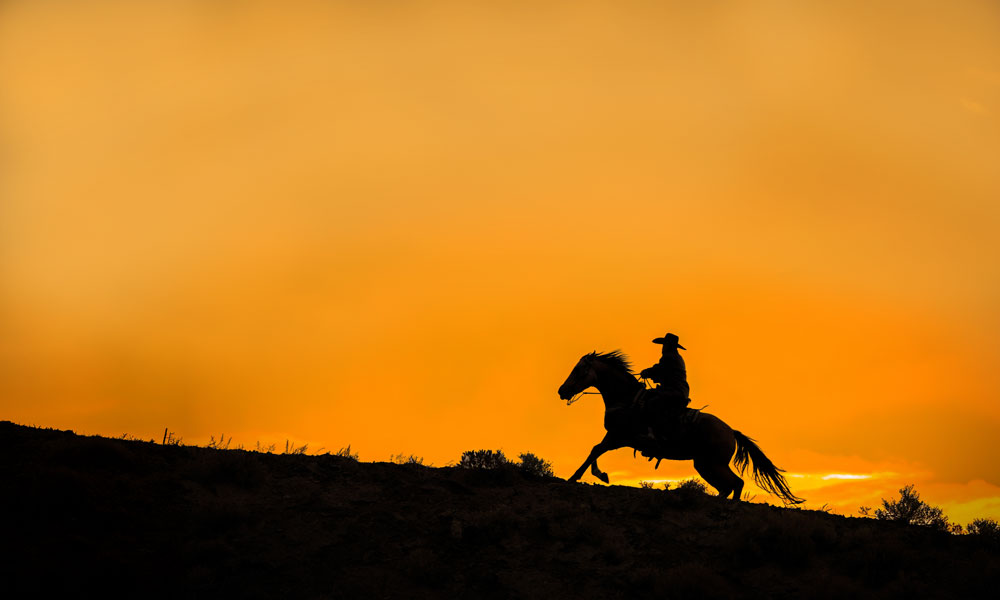
Drive through Oakdale and it does not take long to understand why the community has proudly embraced its identity as the “Cowboy Capital of the World.” Agriculture and Western heritage are woven into the fabric of the town, from ranching traditions and rodeo culture to the farms and orchards that stretch across the surrounding countryside.
Just outside town along Highway 120 sits a property with a story that fits naturally into that legacy: Three Bars Ranch.
Today, the ranch is nearly 600 acres of productive farmland, including almond and walnut orchards and extensive areas of Prime Farmland. But its name reaches back to another chapter of Oakdale’s agricultural history and one of the most influential horses in the development of the modern American Quarter Horse.
Three Bars was a chestnut Thoroughbred stallion foaled in Kentucky in 1940. After overcoming an early circulatory problem that limited his racing career, he went on to demonstrate remarkable speed. Yet it was not racing that would ultimately make his name legendary.
Horseman Sidney H. Vail purchased Three Bars in 1945, recognizing his athleticism, conformation and potential as a breeding stallion. Three Bars eventually made his way to Vail’s Oakdale property, which became known as Three Bars Ranch.
Although he was a registered Thoroughbred, Three Bars had an extraordinary influence on the American Quarter Horse. His offspring were known for their speed, balance, sound conformation and willing dispositions, qualities prized across racing, cutting, halter and other performance disciplines. His bloodline can be traced through some of the most recognizable names in Quarter Horse history, including descendants Doc Bar, Easy Jet and Zippo Pine Bar.
At the height of his reputation, Three Bars’ stud fee reportedly reached $10,000, an extraordinary sum for the time. By the time of his death in 1968, his offspring had earned more than $2.8 million on the racetrack. His lasting impact on the breed earned him induction into the American Quarter Horse Hall of Fame in 1989.
The horses may be part of the ranch’s history, but agriculture remains very much part of its present and, thanks to a recent conservation effort, its future.
In July 2026, California Farmland Trust permanently protected approximately 595 acres of Three Bars Ranch through an agricultural conservation easement. The agreement keeps the property available for agricultural production while protecting the productive soils, open space and agricultural resources that make the land so valuable.
“Protecting Three Bars Ranch is about more than conserving acreage,” said CFT Executive Director Charlotte Mitchell. “It is about keeping a working farm in production, protecting the soils and water resources that make agriculture possible, and ensuring that this land remains part of the agricultural landscape of the Central Valley for generations to come.”
The protection is especially meaningful as communities throughout the Central Valley continue to experience development pressure. Three Bars Ranch sits near the planned North County Corridor, making the permanent conservation of its agricultural acreage an important investment in the region’s working landscape.
For CFT Conservation Director Quinn Mulrooney, that long-term view is at the heart of the project.
“The land is productive today, but the real value of conservation is making sure its agricultural potential is protected for the future,” Mulrooney said. “By conserving the land now, we help ensure that future farmers will have the opportunity to continue farming it.”
In a community built on agriculture and proud of its cowboy roots, Three Bars Ranch represents both sides of Oakdale’s story. Its past recalls a legendary horse that helped shape an American breed. Its present is rooted in orchards and productive farmland. And now, its future will remain connected to agriculture.
Nearly six decades after Three Bars left his mark on the Quarter Horse world, the land that bears his name continues his legacy in a different way: as working farmland, permanently protected for generations to come.